

Compete for an unplanned choice.
Topic and package need enough immediate relevance to beat every other thing the viewer could watch. Read impression mix, CTR and satisfaction together; a cheap click that leaves fast is not a packaging win.
YouTube Mastery treats titles and thumbnails, viewer satisfaction and the shape of the catalogue as one job. Every video has to earn the click, repay it, and make the next good video obvious.
YouTube's own guidance separates appeal, engagement and satisfaction. We add a fourth, connection, because a channel is worth more when one good video leads to another.
A YouTube brief starts before the script: which viewer problem earns a click, what proof repays it, how the first thirty seconds establish progress, and what next video should become easier to choose.
The lab reviews impressions and CTR separately from retention, satisfaction and next-video clicks. That tells us whether to change the topic, promise, thumbnail, opening, structure or the next video we point to.
Why should this specific viewer choose this video now?
A YouTube programme gets weaker when the thumbnail lives with design, the opening lives with the editor, the series lives with strategy and nobody owns the connection. Mastery brings those decisions into one weekly review.

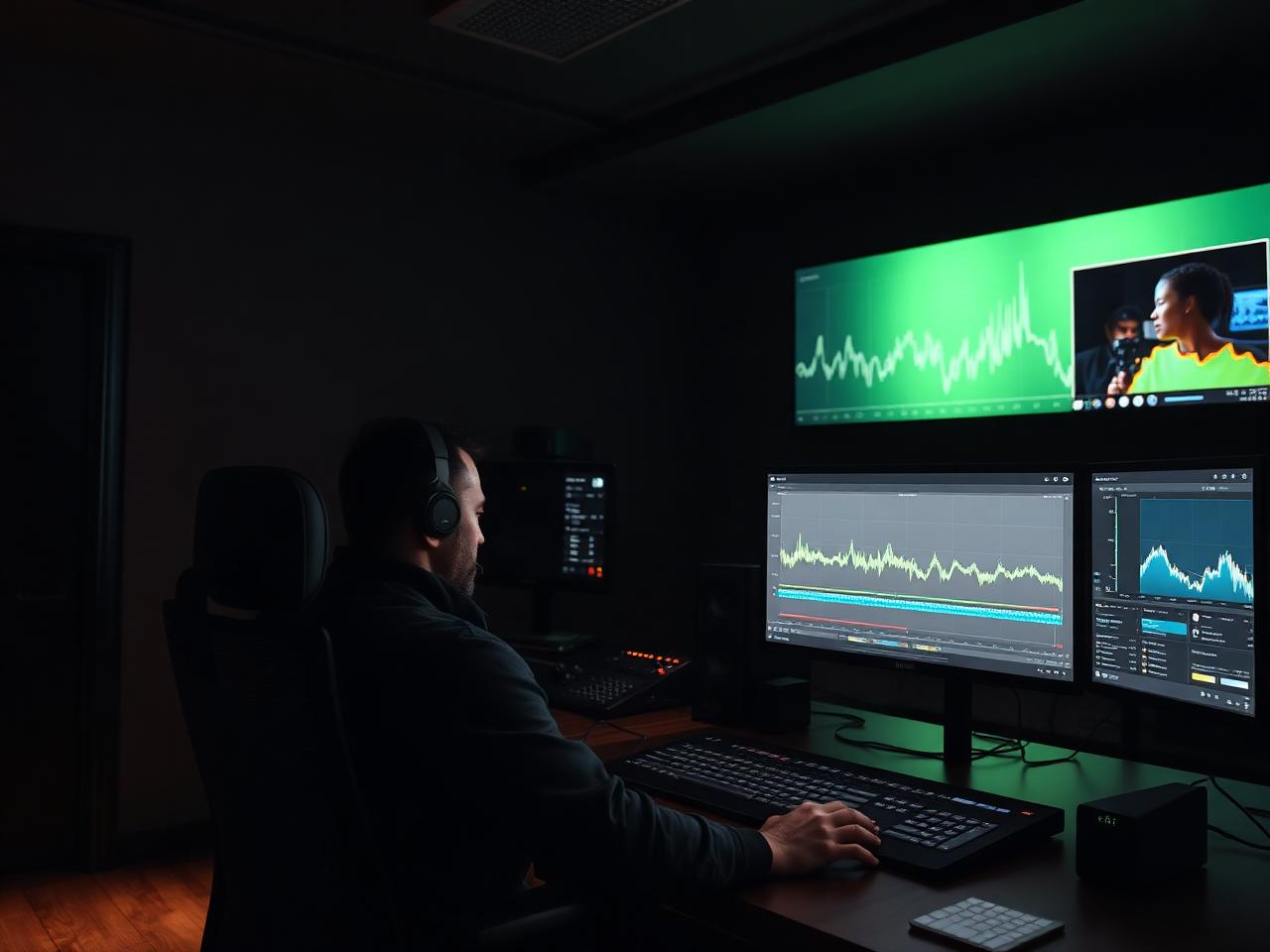
Treat the end screen as part of the video. The next video is planned with this one. A useful library makes a viewer's second choice easier than the first.
A dip after the setup, a chapter people replay or the same question under three videos each points to a different edit. The channel also needs clear rights for footage, music, claims and anyone who appears on camera.
Useful follow-up questions, chapter requests and requests for the next topic. Reply, pin or point the viewer to the right video in the catalogue.
A disputed claim, unclear demonstration, weak source or rights question. Fix the description, chapter, source note or next version before pushing it further.
Copyright uncertainty, embargoed material, safety issues, personal data or a material factual error. Keep the edit and pass it to the right owner.
Browse, Suggested, Search and Shorts put the viewer in different states. Mastery reads those paths separately so the programme does not “fix the thumbnail” when the actual problem is topic fit, satisfaction or catalogue connection.
Topic and package need enough immediate relevance to beat every other thing the viewer could watch. Read impression mix, CTR and satisfaction together; a cheap click that leaves fast is not a packaging win.
The current viewing session supplies context. Topic adjacency, satisfaction and connected catalogue design matter more than keyword wording. Build sequences people naturally continue.
The query has already named the job. Titles can be clearer, proof can arrive earlier and chapters can help the viewer inspect whether the video resolves the task.
A Short can introduce a person, answer one tight question, test a hook or open a path into long-form. It should not exist only because a horizontal video had a quotable sentence.
Traffic source is context, not a grade. A healthy channel can use different videos for different jobs. The weekly desk asks whether each one succeeded at the job it was designed to do.
The title and thumbnail earn the click. The opening proves the click was worth it. The body keeps moving. The ending sends the viewer somewhere useful. Treating each as its own craft problem makes a catalogue easier to improve.
Title and thumbnail agree on the tension. No extra promise is smuggled into the opening.
Title and opening alignedState the problem, expose the proof and show enough progress for the viewer to know what they will get.
Re-cut · proof by 0:18Chapters, demonstrations, counterexamples and source material keep the argument moving rather than merely getting longer.
Approved · 5 chaptersA next episode, playlist or source should follow naturally from the question and be planned with the video.
Planned · video 13Searchable questions, ideas strong enough for the home feed and videos that introduce the subject. These show a first-time viewer what the channel is worth.
A repeatable promise with one fresh variable. The viewer understands the format, the team can compare titles and thumbnails, and the library starts to build on itself.
Deep case teardown, original research, documentary proof, definitive guide or a strong-minded interview. Flagships should produce clips, citations, follow-on viewing and a long life after launch day.
The first ninety days audit the library, rebuild titles and thumbnails, tighten the openings and link the videos into series, so every upload has somewhere useful to send the viewer next.
Audit topics, thumbnails, titles, traffic sources, retention, Shorts, playlists and the current catalogue. Establish the baseline before changing the publishing rhythm.
Test title, thumbnail and opening changes one at a time, then study the exact retention moments, comment themes and next-video clicks before editing the next episode.
Back the titles, thumbnails and episode structures that left viewers satisfied, then link them into a catalogue with a clear next video and a next test.
Plug & Play can support YouTube within a broader programme. Mastery adds title and thumbnail testing, catalogue planning, retention reviews and properly run recurring series, all built for this channel.
Each tier adds research, title and thumbnail work, editing coordination and catalogue capacity. Every tier answers to the same question: did this video earn the next view?
Complex motion and paid distribution are priced outside the programme. You can leave with 30 days' notice; the channel, masters, project files and publishing history stay yours.
No. We can improve the idea, the title and thumbnail, the opening, the structure and where each video leads. Viewer choice remains viewer choice.
Yes. Mastery includes the agreed edit capacity for footage you supply. Complex motion and additional editing are scoped through Production.
Shorts have a separate job. Some are complete ideas. Some lead into a longer video. They are not automatic clips from every long-form upload.
Bring the channel, the catalogue and the videos you wish had worked harder. We will scope the smallest YouTube programme worth running.