Skip to content
social legendary.
Podcast Mastery · owned long-form media

One conversation should leave an owned library.

A podcast is strongest when the episode, the guest evidence, the YouTube package, the chapters and the native cuts are designed together. The show needs a thesis and a catalogue, not a clip quota.

Core ₹1,50,000Studio ₹3,00,000Enterprise customClient-owned RSS + masters
Episode map · 01The episode is the source. The catalogue is the product.
Thesis → guest proof → progression → chapters → YouTube → short form → LinkedIn → X → newsletter.
Repurpose the idea, beyond the pixels.
01 · Show architecture

Six decisions before the first recording.

The guest list is not the strategy. A strong show owns a question, knows who the listener is becoming, and creates progression inside the hour.

01ThesisWhat can the show own?One category promise that survives more than one guest.
02ListenerWho is changing?A concrete transformation, not a demographic.
03ProgressionWhat changes in the hour?Tension, proof, consequence and a real resolution.
04HostWhy this voice?A point of view and the permission to challenge the guest.
05ProofWhat makes it inspectable?Source packs, examples, data and lived experience.
06PathWhat happens next?The next episode, playlist, newsletter, clip or conversation.
02 · Research desk

The best interviews feel spontaneous because the research is not.

The desk finds the obvious questions and removes them. What remains is the contradiction, the operating detail, the source the guest has not been asked about and the moment worth staying with.

Source pack

Know the record.

Primary sources, prior interviews, contradictions, useful facts and claims that need checking.

Conversation arc

Build progression.

Opening tension, proof, consequence and the question that earns a deeper answer.

Recording notes

Mark the living material.

Moments worth extending, verifying, chaptering or turning into standalone ideas.

Distribution brief

Rebuild by surface.

YouTube, Shorts, LinkedIn, X and Instagram receive complete native ideas.

Field view · record once, publish with intent

The studio is one stop in the editorial chain.

A good recording gives the programme options: the full conversation, a YouTube package, chapters, a short-form idea, a written argument and a future guest thread. The work is deciding which outputs deserve to exist.
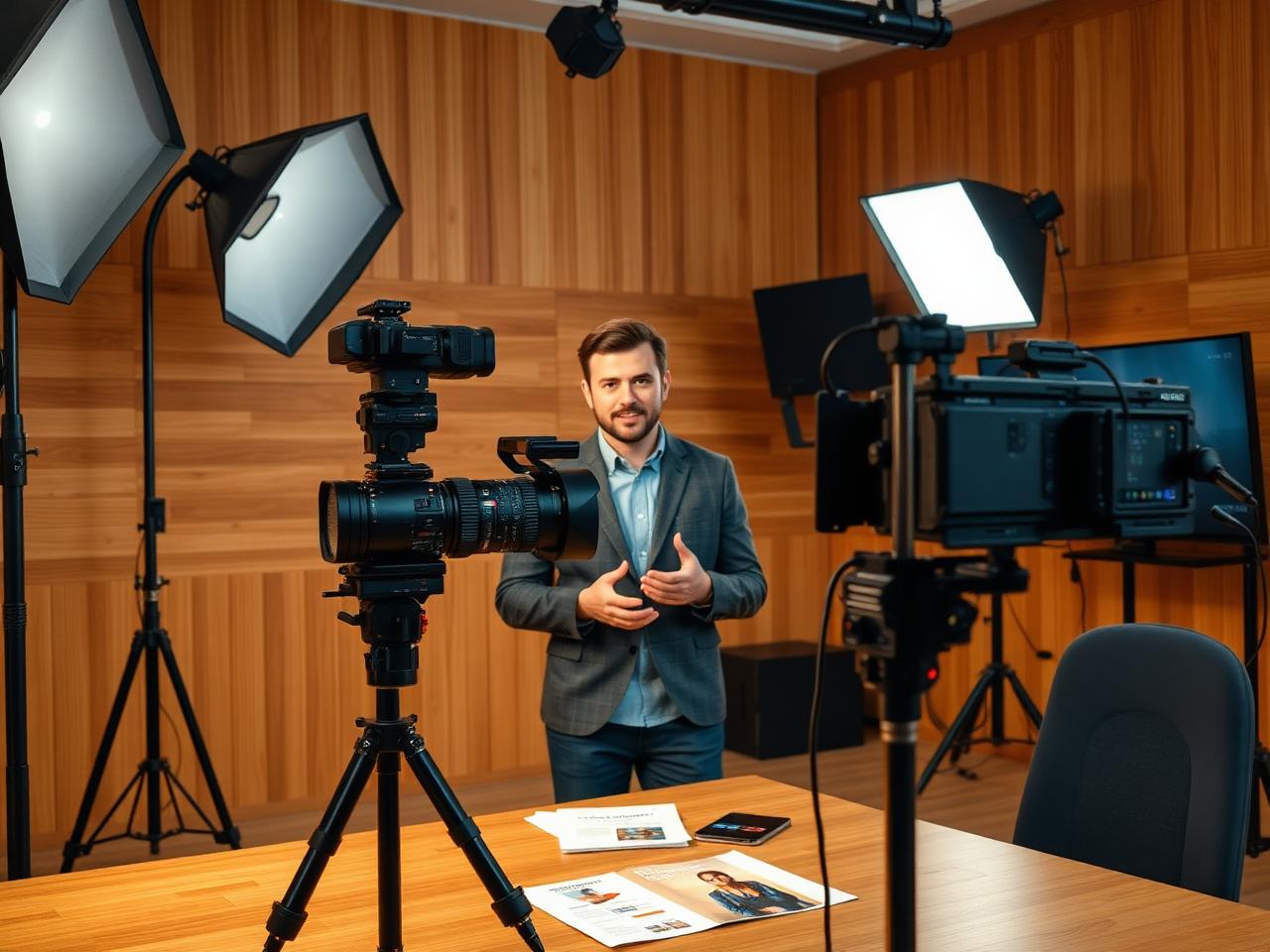
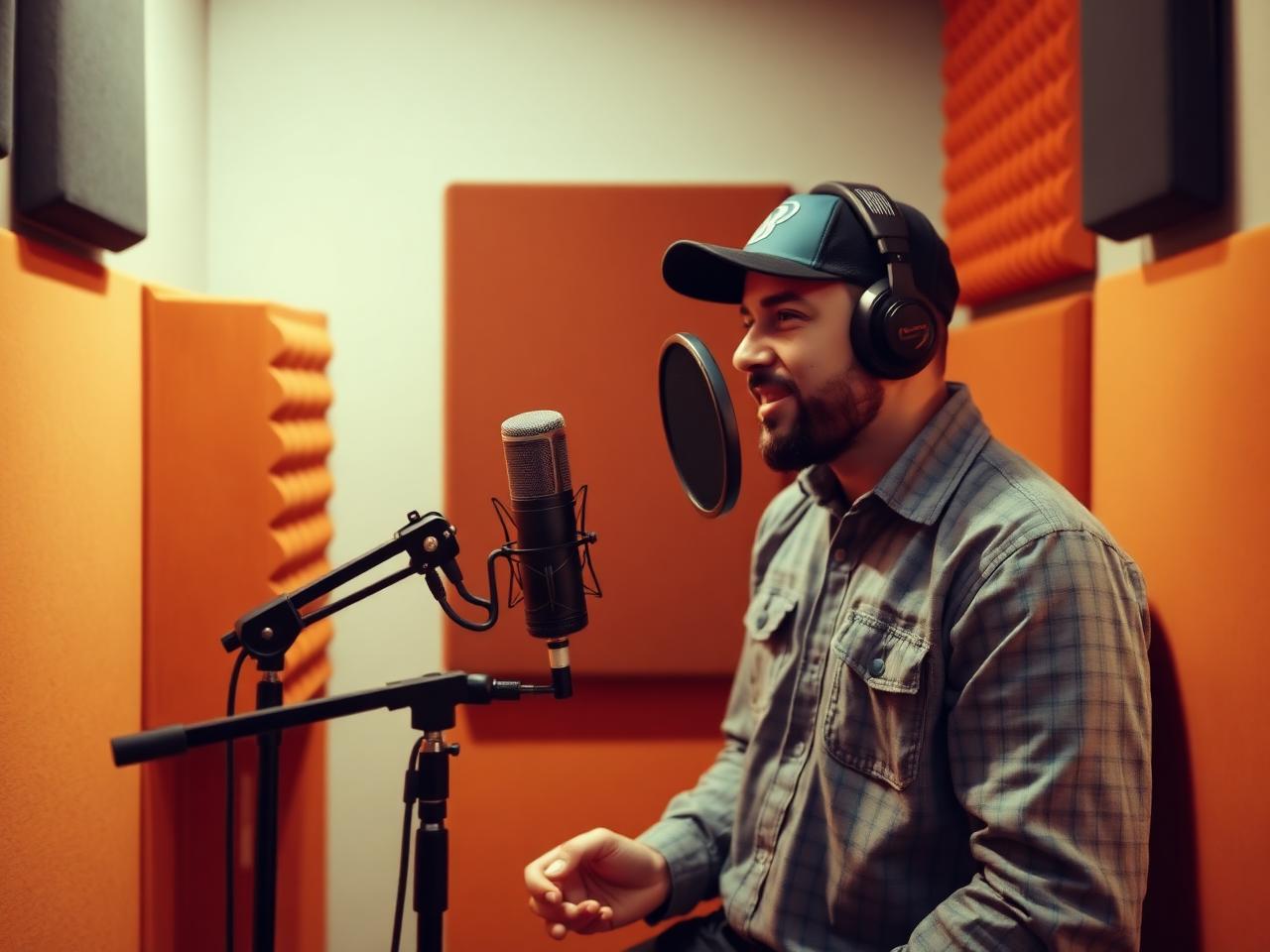
Video podcast host recording in a studio
RecordGive the conversation a visual home.Video-first packaging is designed before the cameras roll.
Voice recording booth for podcast production
AudioClean sound keeps the edit invisible.
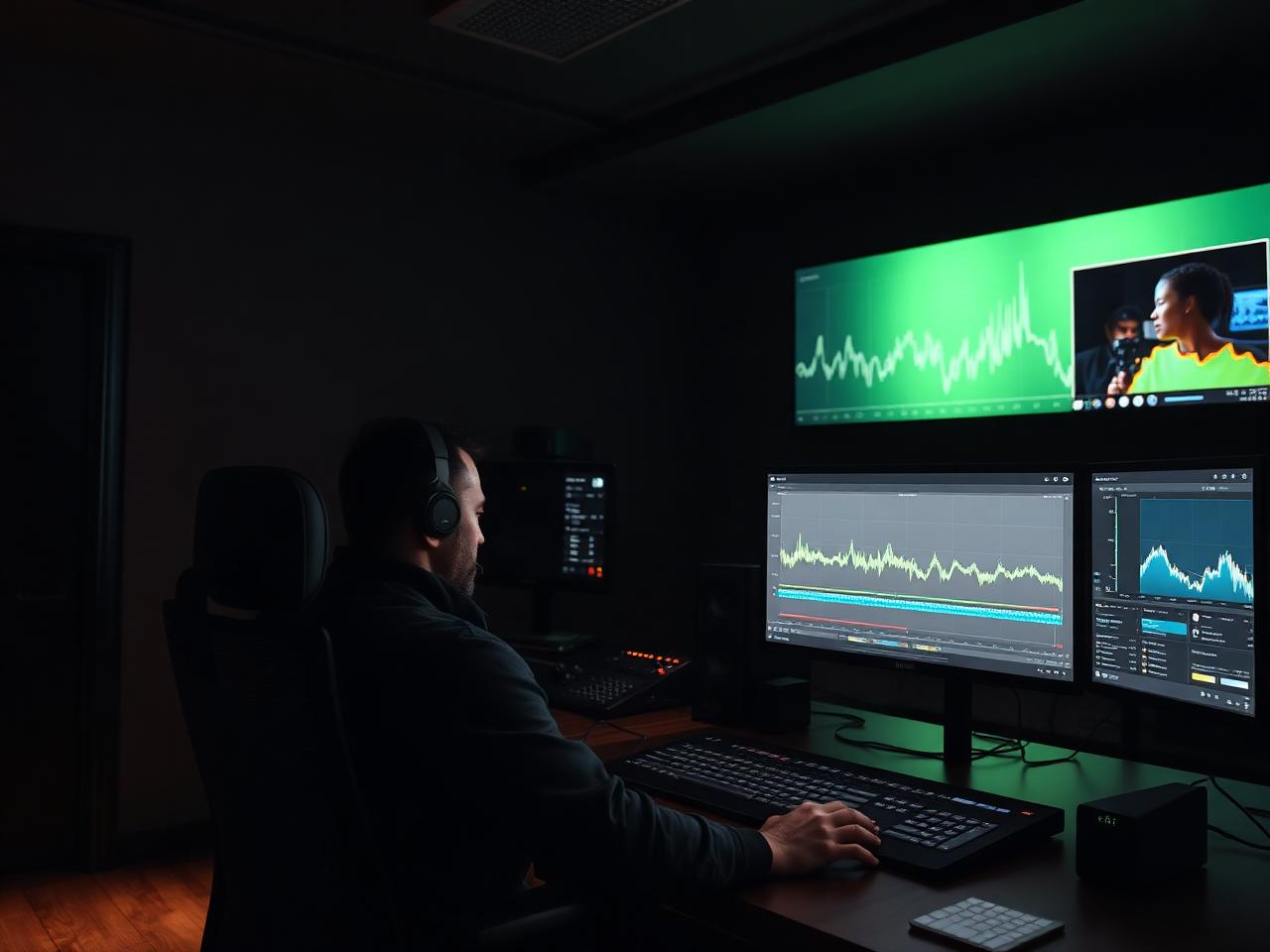
Editing suite used for a podcast episode
EditCut for progression, beyond duration.
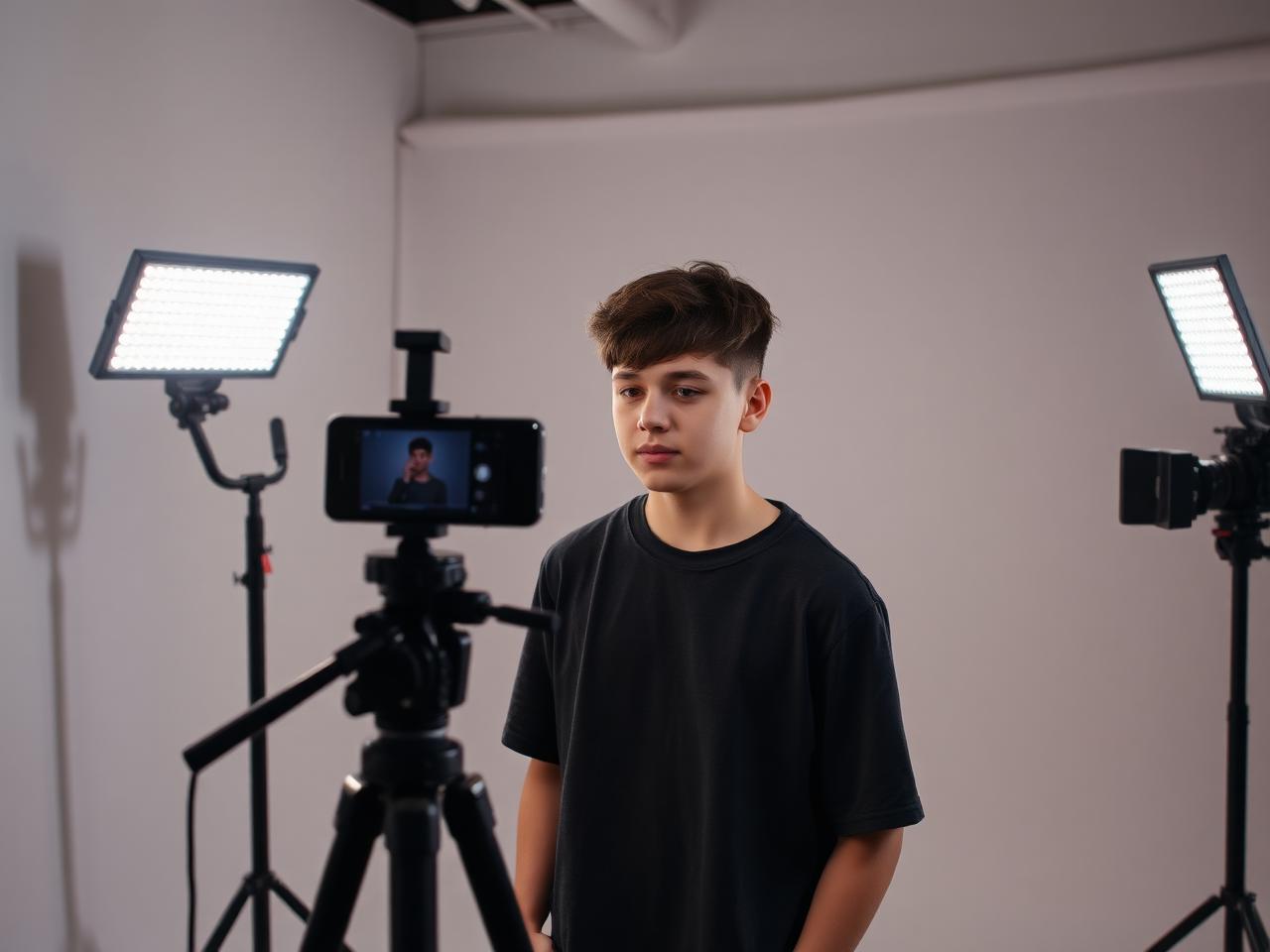
Vertical video setup used for podcast short-form distribution
DistributeBuild a complete short idea, not a random clip.
03 · Episode anatomy

An hour of adjacent questions is still a weak hour.

The episode map makes the listener feel progress. It also gives the editor clean chapter boundaries and gives distribution complete ideas instead of arbitrary timestamps.

00:00Contract

The problem, the guest's standing and why this hour is worth spending.

08:00Origin

The operating context that created the guest's point of view.

22:00Mechanism

How the thing actually works, with examples and sources in the room.

39:00Friction

The failure, disagreement or trade-off the category usually edits out.

55:00Consequence

What the listener should now see differently and where to go next.

04 · The distribution tree

One source. Different complete ideas.

A short clip should survive without the hour around it. A LinkedIn post should carry the operator's judgement. An X thread should keep the source visible. An Instagram Reel should earn context fast.

YouTube

Full episode + chapters.

Packaging, progression, end screen, playlist and connected library.

Thumbnail promise ↔ title ↔ opening contract ↔ next video.
LinkedIn

One professional argument.

The idea a buyer or operator can carry into the next meeting.

Guest claim + operating proof + what it changes for the category.
X

Source-backed interpretation.

The sharpest live idea, the source trail and the consequence.

Quote the clause, chart or benchmark that makes the take useful.
Instagram

Human closeness.

One moment, one proof beat, one reason to save, send or ask.

A clean idea, not a random 37-second crop.
05 · YouTube packaging lab

The episode still has to win a choice.

For video podcasts, the title and thumbnail make one contract. The opening repays it. Retention shows where the promise weakens. The catalogue decides whether the viewer has a reason to come back.

Episode 08 · packaging reviewRepresentative interface
Title / thumbnail pairWhy great operators stop scaling the obvious thing

Thumbnail: one crossed-out growth chart, guest face absent, one operating number visible.

6.1%CTRpackage
74%30-sec retentionopening
46%avg viewedprogression
21%next videoconnection
Next episode decisionKeep the operating-number package. Remove the biography preamble. Start the mechanism by minute two and route the ending into the decision-series playlist.

Example values for interface design. The supplied public case repository does not contain permissioned podcast outcome metrics.

Guest standard · fame is not the brief

Book the person who can move the thesis.

A large following can help distribution. It cannot rescue a guest who has no inspectable experience, no tension and nothing the listener could not get from a conference bio.

Standing

Why this person?

Direct operating experience, a body of work, data, a decision, a failure or a point of view with consequences. The guest earns the hour before outreach begins.

Tension

What can we disagree about?

The research desk finds the trade-off, contradiction or category assumption worth testing. Agreement is allowed; inevitability is boring.

Source

What comes into the room?

Reports, product screens, filings, research, old quotes, charts, customer examples or artifacts the conversation can point at instead of merely asserting expertise.

Evidence + catalogue read

Downloads are one line in the ledger.

The programme reads packaging, consumption, catalogue continuation and business context separately. That keeps the programme from celebrating a clip because it travelled while the full show stopped earning return.

PackageChoiceYouTube impressions, CTR, podcast discovery surfaces and guest-driven reach.
ConsumeSatisfactionFirst 30 seconds, average view, chapter progression, audio completion and repeat listening.
ConnectCatalogueNext episode, playlist continuation, returning viewers/listeners, newsletter or owned follow.
CommercialContextSelf-reported conversations, site paths, guest relationships and CRM evidence where instrumentation supports it.

Do not claim precise last-click causality where the show sits earlier in the buying path.

05A · Season operating desk

A show earns memory when episodes belong to the same editorial world.

We map the season before filling dates. The point is not to force a rigid narrative; it is to see which questions deserve repetition, which guest archetypes create useful contrast and where a missing episode is leaving the catalogue thin.

Season mapThesis · guest · proof · continuation
Episode role
Question
Guest / source
Catalogue path
Origin
Why does this category behave this way?
Operator with firsthand history
Category foundations playlist
Conflict
Where do smart people disagree?
Two credible positions / source pack
Follow-up comparison episode
Mechanism
How does the work actually happen?
Practitioner + artefact
How-to / teardown library
Proof
What changed when the idea met reality?
Case owner + evidence
Case series / clips / sales reuse
Booking ruleA famous guest is not a season strategy. Book the person whose experience makes the next missing argument possible.
Before recording

Research dossier

Published work, contradictions, claims worth checking, primary sources, prior interviews, red lines and the two questions everyone else keeps asking so we can avoid them.

During recording

Editorial markers

Thesis turn, proof moment, disagreement, source reference, clean clip boundary and unanswered question. The editor inherits a map instead of an undifferentiated hour.

After recording

Rights + reuse ledger

Final masters, clips, transcripts, guest permissions, music and footage rights, thumbnails, chapters and distribution files stay organised for the next release and later reuse.

06 · Plans

Run a show like an owned media product.

Core
₹1,50,000 / month
Two episodes a month
Research desk, arc, recording notes and packaging
8 Shorts or cutdowns
Chapters, titles, thumbnails and playlist architecture
Native distribution briefs for LinkedIn, X and Instagram
Monthly catalogue read
Start Core →
Enterprise
Custom
Multiple shows or hosts
Multi-market or language scope
Studio and crew coordination
Rights, music and claims governance
Research publication and event integration
Talk about Enterprise →

Physical production, travel, studio, crew and complex motion stay separately scoped · client owns RSS, raw files and final masters · month to month · 30 days' notice.

07 · First 90 days

Build the show logic before filling the calendar.

Days 1–30

Own the thesis.

Listener, category question, show promise, guest acceptance criteria, research template, episode progression and visual package.

Days 31–60

Publish enough to see the pattern.

Record, package, chapter and distribute the first programme. Read retention, audience questions, guest fit and next-video behaviour.

Days 61–90

Turn the best idea into a catalogue.

Formalise recurring segments, playlists, guest arcs and the native distribution products that deserve to return.

08 · Questions

The show stays client-owned.

Do you provide the studio and crew?+

They can be coordinated when needed, but physical production remains a visible separate scope. The programme covers the show architecture, research, packaging, distribution and agreed edit capacity.

Do you guarantee downloads or subscribers?+

No. We control the thesis, guest standard, research, package, edit decisions and distribution system. Audience response remains audience response.

Can the show be video-first?+

Yes. For most commercial programmes, YouTube packaging and catalogue design are treated as first-class parts of the product rather than an afterthought to the RSS feed.

Who owns the feed and raw files?+

The client. RSS, channel accounts, raw footage, masters, research notes and approved source files stay in client-owned systems.

Podcast Mastery

Bring the thesis you want the show to own.

We will build the research, episode and distribution product around it.

Build the podcast system →No lock-in